Fasting isn’t a new concept. Intermittent Fasting has been all over the internet for a while already, we see all these bodybuilders, celebrities and athletes are doing it. So what is it really and why it’s so popular?
What is intermittent fasting?
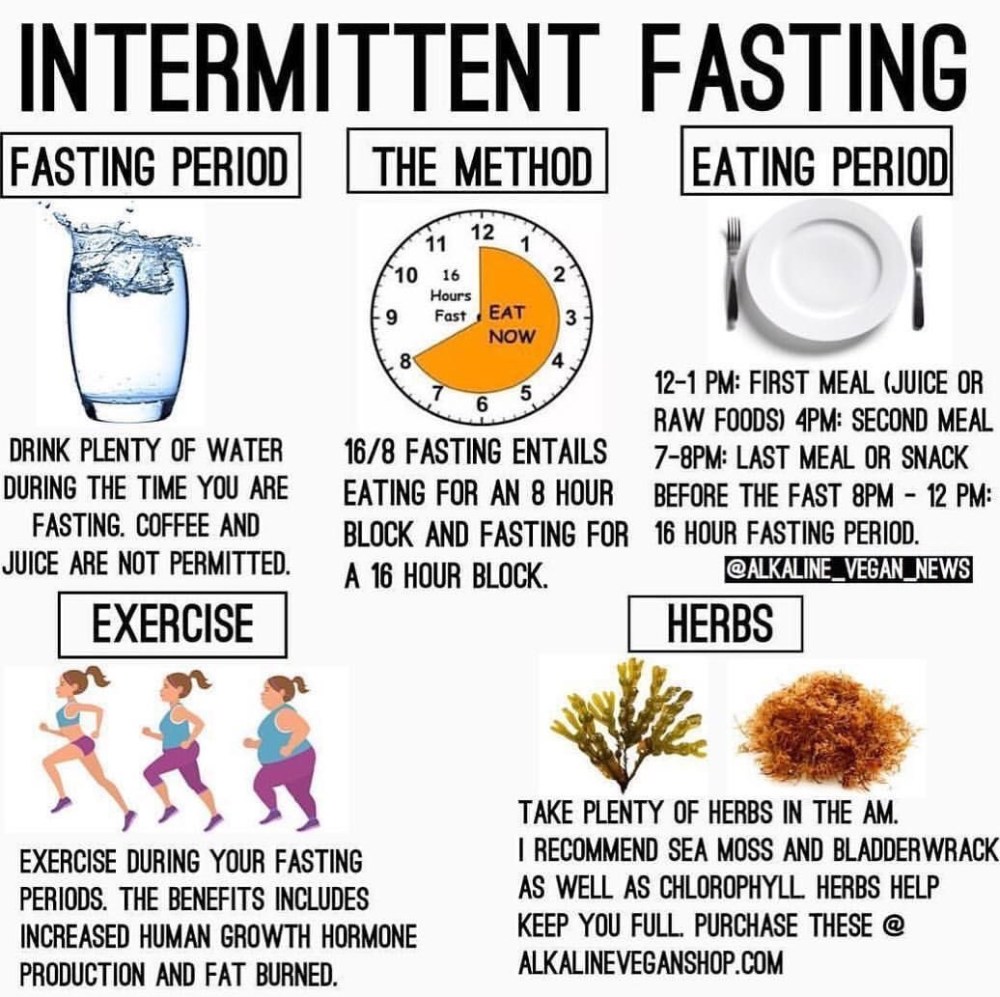
Intermittent fasting is the process of cycling in and out of periods of eating and not eating. Basically it doesn’t change what you eat, but when you eat. Intermittent fasting is more of a lifestyle choice to increase health benefits and less of a diet plan.
There are server all way of doing intermittent fasting, all of which involve splitting the day into eating and fasting period. These are the most popular methods of intermittent fasting:
1. 16/8: This method allows you to eat all you meals within a short period of time. Normally the eat time will be 8 hours. And the remaining 16 hours is the fast, where you won’t eat. It is up to you to set the eight hours to eat.
2. 5:2: With this one, you eat normally for five day. The other two day are your fasting day. In the two day you only consume around 600 to 700 calories a day.
What are the health benefits of intermittent fasting?
There are many scientific study and evidence proving that intermittent fasting has lost of health benefits and estate if done correctly. It may even help you live longer.
* If done correctly means using intermittent fasting and eating junk food on the daily isn’t going to help you out too much. But adding intermittent fasting to a good diet will shows many benefits below.
Switching to an intermittent fasting diet expands your limits and boosts your body performance in a number of ways.
Here are some health benefits of intermittent fasting:
1. Weight loss: As mentioned above, intermittent fasting can help you loss weight and belly fat, without having consciously restrict calories.
2. Insulin resistance: intermittent fasting can reduce insulin resisyance, lowering blood sugar and fasting insulin level, which should protect type 2 diabetes.
3. Anti-ageing: intermittent fasting can extend lifespan in rats. However, research on this benefit is still in early stages.
How does intermittent fasting work?
In order to understand how intermittent fasting would lead to weight loss, the first step is understand the difference between eating and the fasting state.
When we eat, not all the food can be burn into energy, so some of the energy must be stored away for later use of the body. Insulin is a hormone that store food energy. It increase when we eat, helping the body to store energy. Basically, glycogen (sugars) then stored in the liver. In a long term, when glycogen reached the limited storage space, the liver start to turn the excess glucose into fat. If you are constantly eating, then your body will simply use the incoming food energy and never burn the stored body fat.
Intermittent fasting is a reverse process, when we don’t eat insulin level decreases. This will signalling the body to burn stored energy (body fat) as there are no more incoming food. In other words, fasting allow the body to burn off excess body fat. Body fat is merely food energy that has been stored, when you don’t eat your body will simply burn its own fat for energy.
It trigger three main hormones in our body, which allow us to burn more fat.
1. Enhance growth hormone (the most powerful fat burning hormone)
2. Reduce level of insulin (allow more body fat to be broken down)
3. Increase our metabolic rate to help burn more calories. (train your body to burn fat, by being metabolic flexible)
If you’re interested in more science behind, there is a video below where its explain the science more in-depth. Click https://www.dietdoctor.com/how-to-maximize-fat-burning
How to intermittent fasting?
After all, depriving yourself of food doesn’t sound a lot of fun. Personally I think the 16:8 method is the easiest. For beginners 16 hours of fasting can be a bit too difficult, but you can start with 13 hours of fasting first to see how you feel. In the beginning, the 13-16 hours of fasting you might feel hunger, which can be mentally or physically. But a lot of time the hunger that we feel come from our own mind because we’re so used to our certain way of eating. So if you find difficult in the first place it’s just down on our pervious eating habits.
Last, I hope this will be useful and gives you a little background information on how intermittent fasting works. In the next 2 weeks I am going to start my intermittent fasting too. If you’re interested in my results and how I feel after, stay tune for the next post!
 FITNESS HANDLES.
One Comment Add yours